
-
How to Tell if Gold Is Real
Distinguish Real Gold From Fake
At Pleasant Hill Coin & Jewelry Exchange, we proudly serve countless customers who want to buy, sell, and pawn items. Our team can also provide valuable insight, including how you can tell if it’s real gold when you have coins, a watch, or a piece of jewelry. Gold is an expensive commodity that people have used in many goods for centuries, such as electronics, rings, wristwatches, and even dental fillings. You might have inherited or been gifted an heirloom, or you may have bought something in the past that you question the material of. Whether you want to sell it or just verify that it’s made of genuine gold, we offer a wealth of useful tips and techniques below for you to put into practice.
Look for a Possible Jeweler’s Hallmark
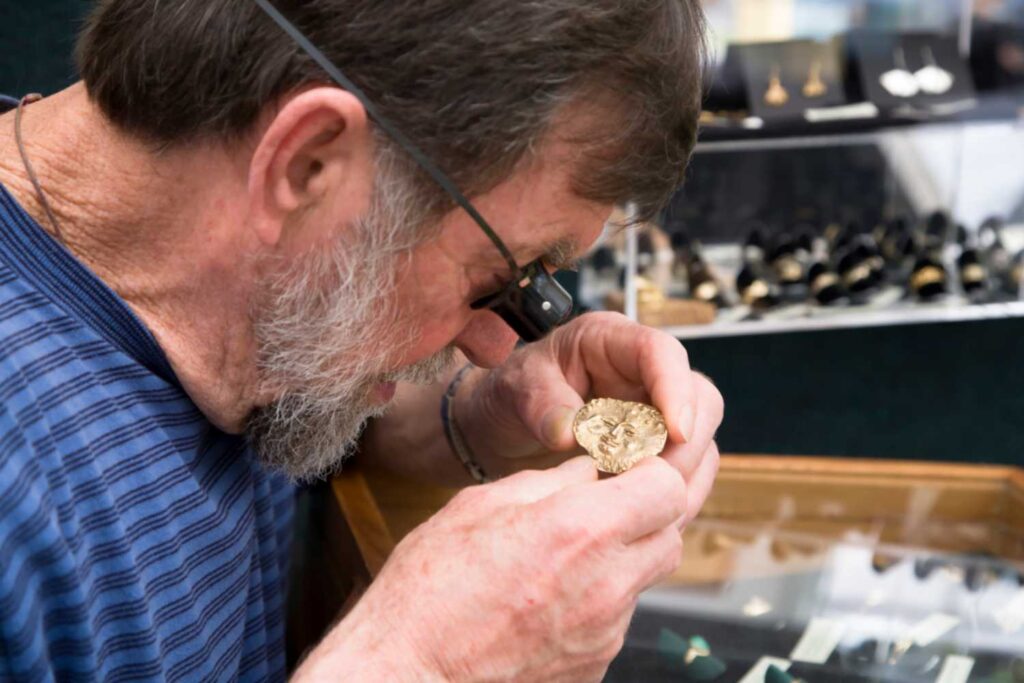
Finding a hallmark is a simple method to test your jewelry. Professional jewelers typically mark their pieces to indicate the gold karat. You can grab a magnifying glass and hunt for tiny numbers or faint engravings. These marks are very small, so you need to look closely and carefully. Check the inner band of rings or the clasps on necklaces and bracelets. Keep in mind that different countries use distinct marking systems. Spotting a stamp strongly suggests your item is genuine gold. However, you still want to keep your guard up. A hallmark does not guarantee authenticity every single time. Scammers who want to pass off fake pieces as genuine will sometimes carve fake marks into cheap base metals.
Perform a Ceramic Test
While a ceramic test can be an excellent way to verify your gold’s purity, it comes with a risk. The testing process could damage your jewelry. If you’re not willing to potentially harm your piece, it’s best to avoid this method and seek other means or help from a professional. The process involves scraping the item across an unglazed ceramic plate or tile. A golden streak left on the plate is a strong indicator of real gold because other metals typically don’t leave a gold-colored mark. However, if you’re hesitant to risk scratching your precious jewelry, let the experts at Pleasant Hill Coin & Jewelry Exchange help you identify your gold safely.
Check for Rust or Discoloration
Checking for discoloration is another effective way to spot fake gold. Genuine gold is non-reactive, meaning it won’t tarnish or rust over time. If you notice any patches of green, silver, or other off-colors appearing on your item, it’s a clear sign that it isn’t pure gold. This often happens as the outer plating wears away, exposing the cheaper base metal underneath. Similarly, if a ring leaves a dark or greenish stain on your skin, especially after getting wet, you can be confident it’s not real gold. These reactions are typical of metals like copper or nickel, but never with authentic gold, which maintains its brilliant color indefinitely.
Use a Magnet to Verify the Metal
Another simple test involves using a magnet to gauge its pull on your potentially gold item. Gold is not a magnetic metal, so it won’t be attracted to a magnet. It’s worth noting that technically, gold is diamagnetic, meaning it slightly repels a magnetic field, but this effect is too weak to notice without special equipment. If you place a strong magnet near your item and it sticks, you can be sure it’s not real gold. This strong magnetic pull is characteristic of metals like iron or nickel, which are often used as a base in counterfeit jewelry and then plated with a thin layer of gold. Conversely, genuine gold, silver, and platinum will show no reaction to a magnet.
Talk With an Expert for Verification
If you’re still uncertain about your gold’s authenticity, it’s best to consult a professional. Experts at reputable jewelry stores, pawn shops, or specialized exchanges like Pleasant Hill Coin & Jewelry Exchange can provide a definitive answer. Relying on our expertise saves you the stress and potential error of DIY testing methods. They have the proper tools and knowledge to accurately assess your items, whether it’s jewelry, coins, or a watch. By seeking a professional appraisal, you can gain absolute certainty about your item’s value and authenticity. We’ll gladly put any doubts to rest and ensure you know exactly what you have.
Contact Pleasant Hill Coin & Jewelry Exchange Today
Pleasant Hill Coin & Jewelry Exchange is ready to help you verify your valued items, or you can buy, sell, or pawn them at our shop. We welcome all walks of life at our location, giving everyone access to fine merchandise and a means to collect a fair price for their goods. You can come to us for collateral loans, pawn loans, and sterling silver. Our team can also help you pick out new-to-you jewelry, watches, diamonds, handbags, and rare coins. Get in touch with us to start searching for your next purchase or to collect money for the heirlooms and treasures you don’t want.
-
Understanding the Difference Between Price and Value When Selling Jewelry
Understanding Price vs. Value When Selling Jewelry
It’s common to be surprised by how much less your jewelry is worth than its original retail price. The reason lies in the large markup that retailers add for design, branding, overhead, and profit, which can significantly inflate the price you pay. Pleasant Hill Coin & Jewelry Exchange will dive into the difference between price and value when selling jewelry to help you better understand the practice. Reach out to learn more.
Why a Selling Price Is Over a Buying Price
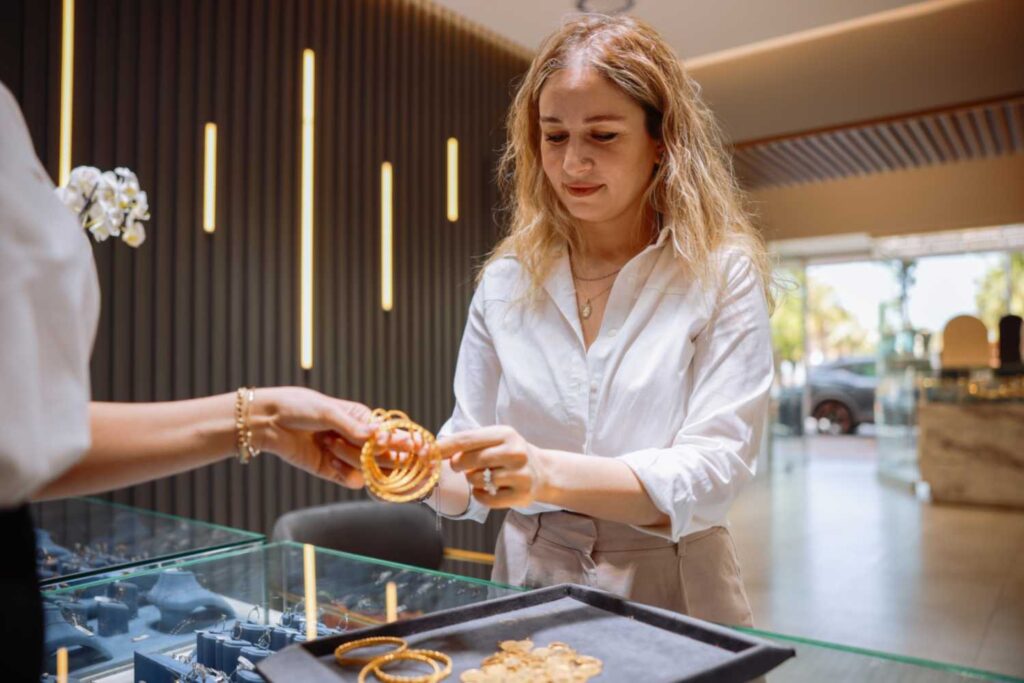
When evaluating jewelry for resale or for a pawn loan, buyers focus on the actual value of the precious metals and gemstones, not the retail markup. As a result, offers are typically based on the intrinsic value of the gold, platinum, or stones, and how easily the item can be resold, not the original ticket price. Additionally, most costume jewelry has little to no resale value since it’s made with plated metals rather than solid gold or silver.
Jewelry Appraisal vs. Selling Price
Understanding the gap between retail price and resale value is crucial for any seller. Often, our offers may be lower than the original purchase price because retail jewelry typically includes high markups for branding, overhead, and marketing. As specialists in the instant cash liquidation market, we base our valuations primarily on the intrinsic worth of the precious metals and gemstones, rather than the retail markup.
Additionally, we evaluate current market demand to determine the likelihood of resale. It is important to remember that jewelry is an investment. While genuine pieces retain value through their raw materials, most costume jewelry is gold-plated or made from base metals, which, unfortunately, hold little to no value in the secondary market.
How Do I Price My Jewelry?
You must look at the current market demand. Jewelry resale value is driven primarily by the intrinsic value of the raw materials, gold, silver, platinum, and diamonds, rather than the initial purchase price. For example, a ring purchased for $5,000 at a high-end mall boutique might have a resale value closer to $1,500 because a significant portion of the original price went toward the jeweler’s overhead, marketing, and profit margins. To get an accurate sense of your jewelry’s value, consider the following factors:
- Melt Value – The current market price of the gold or platinum content based on its weight and purity (karat).
- Gemstone Quality – The “Four Cs” (cut, color, clarity, and carat) of any diamonds or precious stones.
- Condition – Scratches, chips in stones, or broken clasps will decrease the offer price.
Does Jewelry Appreciate in Value?
Generally speaking, most jewelry is a depreciating asset, similar to a new car. Once it leaves the store, its immediate resale value drops. However, there are exceptions. Fine jewelry made of high-purity gold can appreciate if the global price of gold rises significantly over time. Additionally, rare vintage pieces, high-quality large diamonds, or “investment-grade” colored gemstones may increase in value as they become harder to source. For the average consumer, however, jewelry should be viewed as a luxury to be enjoyed rather than a guaranteed financial investment.
How to Get the Best Price as a Seller
We understand pawning and selling can be confusing. When you bring an item to our shop, you can sell or pawn it. While selling involves getting cash on the spot, pawning is a collateral loan. It’s essential on your end to correctly prepare the item, do your homework on its value, and have realistic expectations. We’re loyal and fair to customers and always offer honest evaluations.
Visit Pleasant Hill Coin & Jewelry Exchange Today
Pleasant Hill Coin & Jewelry Exchange knows that navigating the complexities of the jewelry market requires a blend of realistic expectations and professional guidance. By understanding that a high appraisal doesn’t always translate to a high cash offer, you can approach the selling process with confidence and clarity. Whether you are looking to liquidate an estate or simply clear out your jewelry box, knowing the true market worth of your assets is the first step toward a successful transaction.
If you are ready to explore your options and get a fair, professional assessment of your items, our team is here to help. Contact us today to schedule a consultation, or visit our office to speak with one of our experienced specialists about the resale potential of your jewelry.