
Understanding the Difference Between Price and Value When Selling Jewelry
Understanding Price vs. Value When Selling Jewelry
It’s common to be surprised by how much less your jewelry is worth than its original retail price. The reason lies in the large markup that retailers add for design, branding, overhead, and profit, which can significantly inflate the price you pay. Pleasant Hill Coin & Jewelry Exchange will dive into the difference between price and value when selling jewelry to help you better understand the practice. Reach out to learn more.
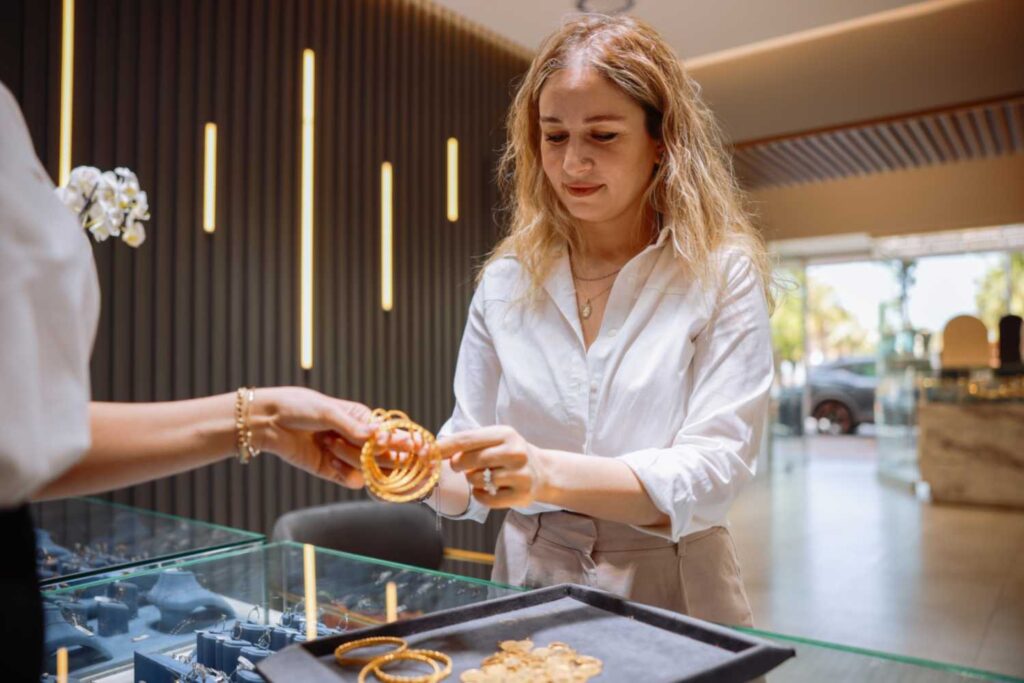
Why a Selling Price Is Over a Buying Price
When evaluating jewelry for resale or for a pawn loan, buyers focus on the actual value of the precious metals and gemstones, not the retail markup. As a result, offers are typically based on the intrinsic value of the gold, platinum, or stones, and how easily the item can be resold, not the original ticket price. Additionally, most costume jewelry has little to no resale value since it’s made with plated metals rather than solid gold or silver.
Jewelry Appraisal vs. Selling Price
Understanding the gap between retail price and resale value is crucial for any seller. Often, our offers may be lower than the original purchase price because retail jewelry typically includes high markups for branding, overhead, and marketing. As specialists in the instant cash liquidation market, we base our valuations primarily on the intrinsic worth of the precious metals and gemstones, rather than the retail markup.
Additionally, we evaluate current market demand to determine the likelihood of resale. It is important to remember that jewelry is an investment. While genuine pieces retain value through their raw materials, most costume jewelry is gold-plated or made from base metals, which, unfortunately, hold little to no value in the secondary market.
How Do I Price My Jewelry?
You must look at the current market demand. Jewelry resale value is driven primarily by the intrinsic value of the raw materials, gold, silver, platinum, and diamonds, rather than the initial purchase price. For example, a ring purchased for $5,000 at a high-end mall boutique might have a resale value closer to $1,500 because a significant portion of the original price went toward the jeweler’s overhead, marketing, and profit margins. To get an accurate sense of your jewelry’s value, consider the following factors:
- Melt Value – The current market price of the gold or platinum content based on its weight and purity (karat).
- Gemstone Quality – The “Four Cs” (cut, color, clarity, and carat) of any diamonds or precious stones.
- Condition – Scratches, chips in stones, or broken clasps will decrease the offer price.
Does Jewelry Appreciate in Value?
Generally speaking, most jewelry is a depreciating asset, similar to a new car. Once it leaves the store, its immediate resale value drops. However, there are exceptions. Fine jewelry made of high-purity gold can appreciate if the global price of gold rises significantly over time. Additionally, rare vintage pieces, high-quality large diamonds, or “investment-grade” colored gemstones may increase in value as they become harder to source. For the average consumer, however, jewelry should be viewed as a luxury to be enjoyed rather than a guaranteed financial investment.
How to Get the Best Price as a Seller
We understand pawning and selling can be confusing. When you bring an item to our shop, you can sell or pawn it. While selling involves getting cash on the spot, pawning is a collateral loan. It’s essential on your end to correctly prepare the item, do your homework on its value, and have realistic expectations. We’re loyal and fair to customers and always offer honest evaluations.
Visit Pleasant Hill Coin & Jewelry Exchange Today
Pleasant Hill Coin & Jewelry Exchange knows that navigating the complexities of the jewelry market requires a blend of realistic expectations and professional guidance. By understanding that a high appraisal doesn’t always translate to a high cash offer, you can approach the selling process with confidence and clarity. Whether you are looking to liquidate an estate or simply clear out your jewelry box, knowing the true market worth of your assets is the first step toward a successful transaction.
If you are ready to explore your options and get a fair, professional assessment of your items, our team is here to help. Contact us today to schedule a consultation, or visit our office to speak with one of our experienced specialists about the resale potential of your jewelry.