-
Using Luxury Watches as Collateral for Fast Cash
Luxury Watch Collateral: A Faster Path to Liquidity
Sometimes you need money quickly, and selling a treasured timepiece feels like too big a sacrifice. The good news? You don’t have to choose. If you own a fine watch, you can use it as collateral to get cash in hand without giving up ownership for good. At Pleasant Hill Coin & Jewelry Exchange, we help people across Pleasant Hill, CA turn valuable items into short-term funds through fair, honest transactions. Continue reading “Using Luxury Watches as Collateral for Fast Cash”
-
Where to Get Cash for Gold Jewelry
Cash In on Your Gold Jewelry with Confidence
Sitting on old gold jewelry you never wear? You are not alone. Many people in Pleasant Hill, CA have a drawer full of forgotten rings, chains, and earrings that could turn into real money. The tricky part is knowing where to go and how to get a fair deal. Continue reading “Where to Get Cash for Gold Jewelry”
-
The Role of Condition in Luxury Resale
The Importance of Condition in the Luxury Resale Market
When you decide to sell a fine watch, a gold bracelet, or a designer handbag, one factor shapes its value more than almost any other: condition. Two identical pieces can fetch very different prices based on how well they’ve held up over the years. Understanding this helps you set realistic expectations and get the most from your treasured items. Here in Pleasant Hill, we talk with people every day who are surprised by how much condition influences a piece’s worth. Continue reading “The Role of Condition in Luxury Resale”
-
Pawn Shop Rules and Regulations
Pawn Shop Rules & Regulations for Customers
Companies like Pleasant Hill Coin & Jewelry Exchange are subject to specific pawn shop rules and regulations. We are a vital financial lifeline for the over 30 million unbanked or underbanked Americans and small business owners who depend on short-term collateral loans. Despite common misconceptions, pawn shops are classified as financial institutions under federal law (31 U.S. Code § 5312(a)(2)(O)) and must adhere to rigorous compliance standards. If you’re considering pawning, selling, or purchasing valuables in California, it’s important to be familiar with the laws that oversee these exchanges. This guide will break down California’s essential pawn shop pawn rules and explain how legitimate establishments like ours follow them to ensure customer protection.
Pawnbroker Licensure for California Establishments
In California, a pawn shop can’t open its doors without getting a license from the state’s Department of Justice. This rule makes sure that all pawnbrokers are accountable and operate under strict legal and financial standards that protect customers. To get this license, a pawnbroker must apply through a local authority, such as the police chief or county sheriff. As outlined in California’s Financial Code, applicants must prove they meet several crucial financial and legal criteria before they’re approved. This strict process ensures that only trustworthy and qualified people run pawn shops, which helps prevent fraud and gives customers peace of mind when they bring in their valuables. Below, we’ve outlined some of the essential criteria:
- Section 21303: Bond Requirement – Anyone wanting a pawnbroker license must file a $20,000 surety bond that is non-revocable and valid for two years. This bond serves as a financial safeguard for the state and the public, covering any losses if the pawnbroker doesn’t follow the law. It guarantees that if there are any financial disputes or illegal activities, there’s a way for people to file a claim against the business.
- Section 21304: Financial Stability – To secure a license, applicants need to prove their financial health. They must show they have at least $100,000 in liquid assets for each shop they plan to open. This rule ensures the pawnbroker has enough cash on hand to operate reliably and serve customers fairly. If an applicant can’t meet this cash requirement, they have the option to provide a $100,000 surety bond or deposit other approved assets instead, guaranteeing the business remains financially sound.
- Section 21305: Non-Transferable License – A pawnbroker license is exclusively for the person or business it’s issued to and cannot be passed on or sold to anyone else. This regulation allows the state to maintain strict control over who can legally run a pawn shop, preventing unvetted parties from operating in the industry.
Federal Regulations for Pawn Shops
Pawn shops are required to follow various federal laws that cover many aspects of their business, from how they handle customer privacy to the transparency of their loan terms. These rules are in place to safeguard consumers against unfair business practices and to make sure that pawnbrokers conduct their operations honestly. On a national level, pawn shops must adhere to the following regulations:
- The Gramm-Leach-Bliley Act (GLBA) – This law mandates that pawn shops and other financial institutions must have measures in place to safeguard their clients’ confidential information.
- The Truth in Lending Act (TILA) – This federal regulation requires pawnbrokers to be upfront about all loan details, including interest rates and any associated fees, so customers understand the terms.
- The USA PATRIOT Act – This act requires pawnshops to verify a customer’s identity to help prevent money laundering and other financial crimes.
State Regulations We Must Follow
On top of federal requirements, pawn shops in California must also follow state-specific regulations. These are outlined in the California Financial Code, Division 8, Chapter 2 [Sections 21200–21209]. This legal framework provides the primary rules for pawn transactions within the state. Below is a look at some of the key sections:
- Section 21200 – This section sets the upper limit on fees that pawnshops are permitted to charge.
- Section 21201 – For every pawn transaction, a written contract is required under this rule.
- Section 21202 – This part details the kinds of records that pawn shops are obligated to keep.
- Section 21203 – This specifies the procedures for returning items to borrowers after they have repaid their loan.
- Section 21204 – This section describes the information that must be included on a receipt for redeeming pawned items.
- Section 21205 – This pertains to the gathering of data for reporting on industry trends.
- Section 21206 – This provision gives specific authorities the power to examine the records kept by pawn shops.
- Section 21207 – This rule forbids any business transactions with individuals who are minors.
- Section 21208 – This requires pawn shops to follow the same reporting rules as other secondhand dealers.
- Section 21209 – This section establishes that breaking any of these rules can be charged as a misdemeanor.
Choose a Licensed Pawn Shop in California
When pawning items, you must ensure that you go to an establishment that follows all pawn shop legal rules and regulations for your own protection. Places like Pleasant Hill Coin & Jewelry Exchange are licensed, meaning we understand and comply with pawning rules to give you a fair deal and safeguard every aspect of the process, from initial assessment to repayment. You can feel safe and respected at our shop, no matter the items you pawn and their value.
Reach Out to Pleasant Hill Coin & Jewelry Exchange
Buy, sell, or pawn your valuable coins, jewelry, diamonds, handbags, and more at Pleasant Hill Coin & Jewelry Exchange. We’ll help you secure the funds you need with a pawn loan, keeping your items safe to return after you repay the agreed-upon amount. Contact us today to learn more and start the process with our team.
-
Tips for Pawning Designer Handbags
Learn How to Pawn Your Designer Handbags
If you have a designer handbag that you’d like to turn into cash by pawning it, Pleasant Hill Coin & Jewelry Exchange is ready to help. We’ll advise you on how to pawn your designer handbags and assess your item’s condition and value. After getting a price, you can decide if it’s lucrative enough for you to accept. Our shop is well-versed in luxury items, including diamonds, rare coins, jewelry, and designer handbags. For the best pawning results, you should educate yourself on how to pawn designer bags. Below is a wealth of useful information about the topic to ensure you can approach pawn shops that take designer handbags as collateral with confidence.
Understand Your Luxury Handbag’s Actual Value
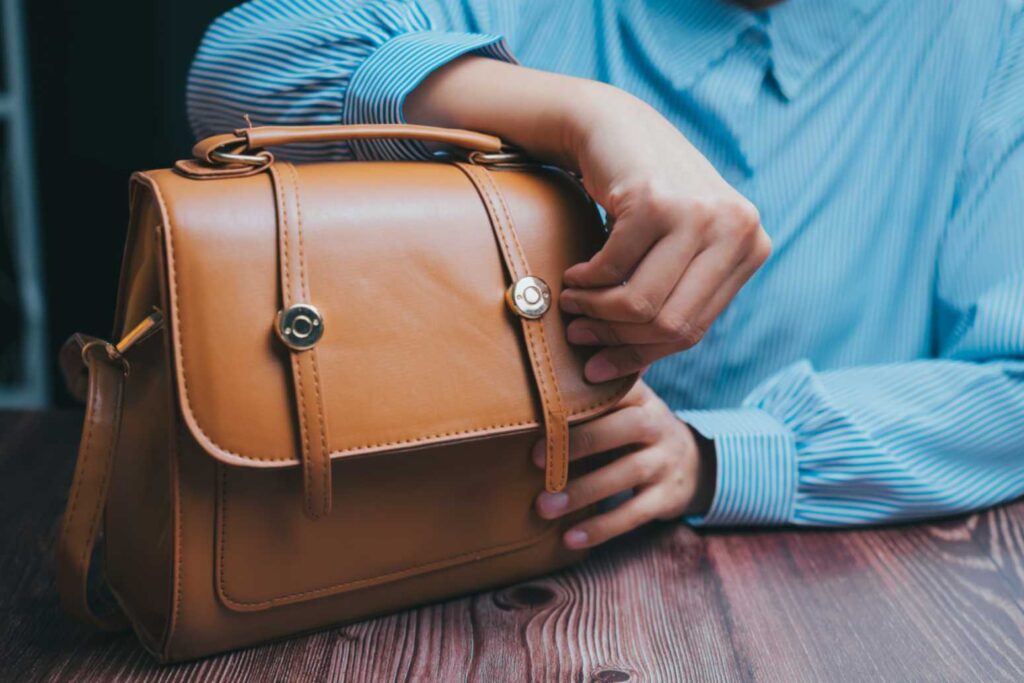
To get the best price for your luxury handbag at a pawn shop, you need to know what it’s worth. Several things affect its value: the brand, how well it’s been cared for, its rarity, and current market demand. Handbags in pristine condition, especially limited-edition models, will fetch a higher price. The following are factors to consider when determining your bag’s value:
- Brand – High-end brands such as Hermès, Gucci, and Louis Vuitton usually command strong resale prices.
- Condition – A handbag that is in excellent or like-new condition with few signs of use will always be worth more.
- Rarity – If a bag is a limited edition or particularly hard to come by, it will often be more valuable to collectors and buyers.
- Age – Vintage bags can certainly be valuable, but their worth is heavily influenced by their condition and how rare they are.
- Authenticity – Providing the original receipt, authenticity cards, dust bag, and box can substantially boost your handbag’s resale price.
Gather & Bring All Handbag Documents
Don’t forget to bring along the original receipt, dust bag, and authenticity cards for your handbag when you visit a place like Pleasant Hill Coin & Jewelry Exchange. Having these things on hand proves your bag is the real deal, making it more attractive to pawn shops. This simple step can significantly increase its value and help you get the best possible cash price. Because pawn shops are regulated, you can feel confident you’re getting a fair and secure transaction every time.
Perform Luxury Bag Cleaning & Maintenance
Your handbag’s condition is a significant factor that influences what it’s worth to buyers and pawnbrokers. Before you head to a pawn shop, we advise you to get it professionally cleaned. This is especially true if your luxury handbag has any stains, scratches, or other obvious wear and tear. You should never try to clean it yourself because you might end up causing more damage. A bag that looks its best will get you a better offer. Pawn shops look for high-quality items, and bringing the original box and dust bag can also increase their value.
Learn About Designer Bag Market Trends
The market for designer handbags is always changing and directly influenced by the latest fashion trends. Before you decide to pawn or sell your bag, do a little research to see what’s currently in high demand. Certain brands and styles become hot items. Knowing which bags meet this demand can help you get a much better price. By understanding what makes your handbag valuable in today’s market, you’ll be in a stronger position to negotiate and get the best possible offer from a pawnbroker. A little knowledge can make a big difference in how much cash you walk away with.
Determine if Pawning or Selling Is the Right Option
When you’re thinking about what to do with your handbag, ask yourself if you want to pawn or sell it. Pawning is a great choice if you just need some quick cash for a short time and plan to get your bag back later. In this case, your handbag acts as security for a loan. Once you pay back the loan, plus any interest and fees, the bag is yours again. Pawn shops often allow for some negotiation and provide fast access to cash. On the other hand, if you’re ready to part with your luxury handbag and want a lump sum of money, selling it is the way to go. This route is more straightforward because there’s no loan to repay.
Sell or Pawn to a Reputable Pawn Shop
Pawn shops calculate offers by looking at the current market value for similar bags. However, many shops lack the specialized knowledge to appraise designer handbags correctly. To get the best price, it’s crucial to find a trustworthy pawnbroker who understands and specializes in luxury goods. The team at Pleasant Hill Coin & Jewelry Exchange has in-depth expertise in assessing high-end handbags. This professional insight ensures that every offer we make is fair and transparent and reflects the true worth of your item, so you can feel confident in your decision.
Pleasant Hill Coin & Jewelry Exchange Can Help
Don’t hesitate to contact or visit Pleasant Hill Coin & Jewelry Exchange for valuable information and fair prices when you buy, sell, or pawn luxury handbags and other items. We have extensive knowledge and experience in luxury goods, including diamonds, rare coins, jewelry, and designer bags. Reach out to us today for answers to your questions, professional insight, and a new addition to your luxury collection.
-
How to Tell if Gold Is Real
Distinguish Real Gold From Fake
At Pleasant Hill Coin & Jewelry Exchange, we proudly serve countless customers who want to buy, sell, and pawn items. Our team can also provide valuable insight, including how you can tell if it’s real gold when you have coins, a watch, or a piece of jewelry. Gold is an expensive commodity that people have used in many goods for centuries, such as electronics, rings, wristwatches, and even dental fillings. You might have inherited or been gifted an heirloom, or you may have bought something in the past that you question the material of. Whether you want to sell it or just verify that it’s made of genuine gold, we offer a wealth of useful tips and techniques below for you to put into practice.
Look for a Possible Jeweler’s Hallmark
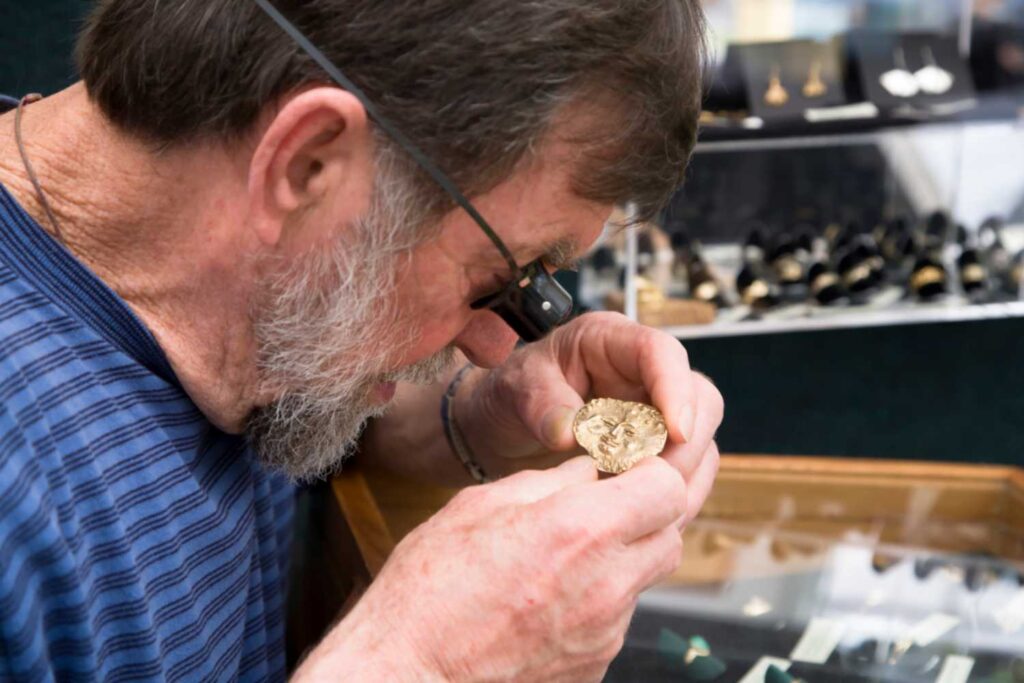
Finding a hallmark is a simple method to test your jewelry. Professional jewelers typically mark their pieces to indicate the gold karat. You can grab a magnifying glass and hunt for tiny numbers or faint engravings. These marks are very small, so you need to look closely and carefully. Check the inner band of rings or the clasps on necklaces and bracelets. Keep in mind that different countries use distinct marking systems. Spotting a stamp strongly suggests your item is genuine gold. However, you still want to keep your guard up. A hallmark does not guarantee authenticity every single time. Scammers who want to pass off fake pieces as genuine will sometimes carve fake marks into cheap base metals.
Perform a Ceramic Test
While a ceramic test can be an excellent way to verify your gold’s purity, it comes with a risk. The testing process could damage your jewelry. If you’re not willing to potentially harm your piece, it’s best to avoid this method and seek other means or help from a professional. The process involves scraping the item across an unglazed ceramic plate or tile. A golden streak left on the plate is a strong indicator of real gold because other metals typically don’t leave a gold-colored mark. However, if you’re hesitant to risk scratching your precious jewelry, let the experts at Pleasant Hill Coin & Jewelry Exchange help you identify your gold safely.
Check for Rust or Discoloration
Checking for discoloration is another effective way to spot fake gold. Genuine gold is non-reactive, meaning it won’t tarnish or rust over time. If you notice any patches of green, silver, or other off-colors appearing on your item, it’s a clear sign that it isn’t pure gold. This often happens as the outer plating wears away, exposing the cheaper base metal underneath. Similarly, if a ring leaves a dark or greenish stain on your skin, especially after getting wet, you can be confident it’s not real gold. These reactions are typical of metals like copper or nickel, but never with authentic gold, which maintains its brilliant color indefinitely.
Use a Magnet to Verify the Metal
Another simple test involves using a magnet to gauge its pull on your potentially gold item. Gold is not a magnetic metal, so it won’t be attracted to a magnet. It’s worth noting that technically, gold is diamagnetic, meaning it slightly repels a magnetic field, but this effect is too weak to notice without special equipment. If you place a strong magnet near your item and it sticks, you can be sure it’s not real gold. This strong magnetic pull is characteristic of metals like iron or nickel, which are often used as a base in counterfeit jewelry and then plated with a thin layer of gold. Conversely, genuine gold, silver, and platinum will show no reaction to a magnet.
Talk With an Expert for Verification
If you’re still uncertain about your gold’s authenticity, it’s best to consult a professional. Experts at reputable jewelry stores, pawn shops, or specialized exchanges like Pleasant Hill Coin & Jewelry Exchange can provide a definitive answer. Relying on our expertise saves you the stress and potential error of DIY testing methods. They have the proper tools and knowledge to accurately assess your items, whether it’s jewelry, coins, or a watch. By seeking a professional appraisal, you can gain absolute certainty about your item’s value and authenticity. We’ll gladly put any doubts to rest and ensure you know exactly what you have.
Contact Pleasant Hill Coin & Jewelry Exchange Today
Pleasant Hill Coin & Jewelry Exchange is ready to help you verify your valued items, or you can buy, sell, or pawn them at our shop. We welcome all walks of life at our location, giving everyone access to fine merchandise and a means to collect a fair price for their goods. You can come to us for collateral loans, pawn loans, and sterling silver. Our team can also help you pick out new-to-you jewelry, watches, diamonds, handbags, and rare coins. Get in touch with us to start searching for your next purchase or to collect money for the heirlooms and treasures you don’t want.
-
Do Pawn Loans Affect Credit?
The Effect of Pawn Loans on Your Credit
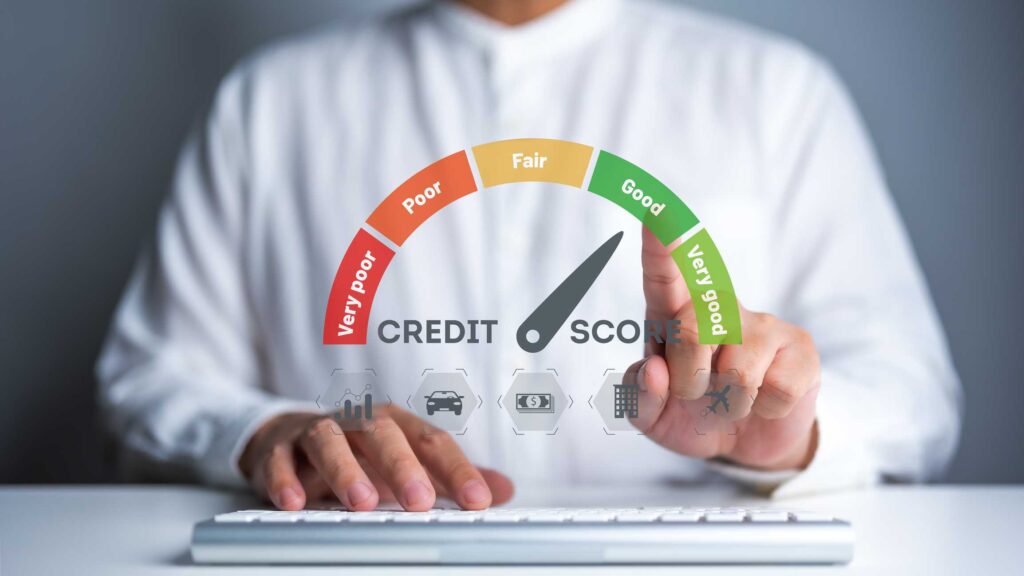
When you find yourself in need of immediate liquidity, navigating the various borrowing options can be daunting, especially when considering how a financial decision might impact your long-term financial health. One of the most common questions individuals ask before leveraging their luxury assets is if pawning affects credit. Unlike traditional bank loans or credit cards, pawn shop loans operate on a collateral-based model that offers a unique set of benefits, particularly for those concerned about their credit scores.
How Pawn Shop Loans Work
Pawn shop loans are secured by a physical asset, such as a designer handbag, luxury watch, or fine jewelry, rather than your signature or your credit history. Because the loan is secured by the item you provide, there is no credit check required to obtain the funds. This makes the process significantly faster and more discreet than traditional lending. The pawn shop evaluates the market value of your item and offers a loan based on a percentage of that value. Once you agree to the terms, you receive cash on the spot, and the shop holds your item securely until the loan and interest are repaid.
No Impact on Credit Scores
The primary advantage of a pawn loan is that it exists entirely outside the traditional credit reporting system. Because the lender already holds an asset of value, they do not need to report the transaction to credit bureaus like Equifax, Experian, or TransUnion. This means that whether you open a new pawn loan or successfully pay one off, your credit score remains unaffected.
Does an Unpaid Pawn Affect Your Credit?
In a traditional lending scenario, failing to repay a loan results in a default that stays on your credit report for years, severely damaging your score. With a pawn loan, if you choose not to (or cannot) repay the loan, the only consequence is that you forfeit the collateral. The pawn shop simply keeps the item to recoup their investment through resale. They do not report the “non-payment” to credit agencies, and they do not pursue you through debt collection agencies.
Comparing Pawn Loans to Other Lending Options
Many people confuse pawn loans with other high-interest options. The structures are quite different. Those transactions often involve more personal data and can sometimes lead to credit damage if the vehicle is repossessed and a balance remains. In contrast, pawn shop loans are strictly no collateral risks beyond the item itself. They are non-recourse loans, meaning the lender has no legal claim to anything other than the item you pledged.
Furthermore, because there is no application process involving credit inquiries, your score won’t take the “hard hit” that typically occurs when applying for a personal loan or credit card. This makes pawning an ideal solution for individuals who want to protect their credit rating while managing short-term cash flow needs.
Financial Privacy and Security
Beyond the lack of credit impact, pawn loans offer a level of privacy that traditional banks cannot match. The transaction is a private agreement between you and the pawnbroker. There is no paper trail that might interfere with future mortgage applications or car loans. You are simply using the equity already tied up in your luxury goods to gain immediate access to capital.
Is a Pawn Loan Right for Me?
Pawn loans offer a unique advantage because they do not impact your credit rating, but they still require careful financial consideration. While a reputable lender like ours ensures full transparency regarding interest rates and fees in compliance with the Truth in Lending Act, the primary risk involves the collateral itself. If the loan is not repaid, the item is retained and sold by the pawnbroker. While this avoids a negative mark on your credit report, it does result in the loss of your property. This option can be an effective tool for short-term budget management, but for long-term financial challenges, traditional alternatives like debt consolidation or credit counseling may be more appropriate.
Visit Pleasant Hill Coin & Jewelry Exchange
Pleasant Hill Coin & Jewelry Exchange offers loans for our customers. Whether you are looking to bridge a gap between paychecks or fund a new business venture, utilizing your high-end assets as collateral is a strategic way to manage finances without the oversight of credit bureaus. By choosing a reputable partner, you ensure that your items are stored in a secure, insured environment, giving you peace of mind while your credit score remains untouched. Visit us today to learn more.
-
How to Get the Best Value for Your Designer Handbag at a Pawn Shop
Get the Best Value for Your Designer Handbag at a Pawn Shop
Selling or pawning a luxury accessory can be a strategic way to access immediate liquidity, but ensuring you receive top dollar requires more than just walking through the door. High-end brands like Louis Vuitton, Chanel, Hermes, and Gucci hold significant resale value, making them prime candidates for collateral or direct sales. To maximize your return, treat the transaction as a business deal and focus on the presentation, authenticity, and market demand of your piece. Knowing where to sell designer bags and how to prepare them is the difference between a low-ball offer and a premium payout.
Do Pawn Shops Buy Handbags?
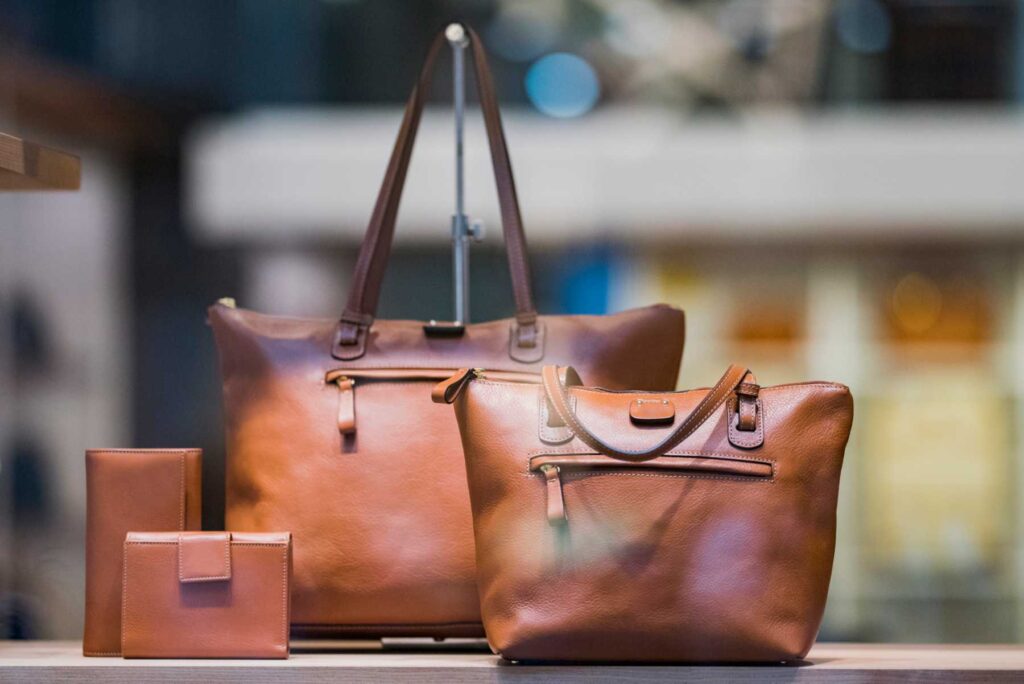
Pawn shops buy handbags because they’re more than arm candy. These financial assets are made with a timeless style and premium materials. Some of the many ways handbags retain their value include:
- Excellent condition
- Highest quality materials
- Strong demand in the resale market
- High demand in the resale market
- Professional authentication availability
Clean and Prep Your Handbag
First impressions are critical when dealing with pawn shops that take designer bags. Before visiting a shop, take the time to carefully clean your handbag according to the manufacturer’s guidelines. Use a soft, damp cloth for leather or a specialized brush for suede to remove dust and surface oils. Pay close attention to the interior, ensuring all pockets are emptied of lint or debris. A well-maintained bag suggests to the pawnbroker that the item has been cared for, which naturally increases its perceived value and makes it easier for them to resell.
Gather Original Documentation and Accessories
If you want to sell designer handbags for the highest possible price, you need to provide proof of authenticity. Locating the original sales receipt, the dust bag, the authenticity card, and even the original box can significantly boost the offer. These “extras” reassure the buyer that the item is genuine and allow them to market it as a “full set” to future collectors. If your bag came with detachable straps or charms, ensure those are included as well, as missing components will lead to a deduction in the final valuation.
Research the Market Value
Before you sell your designer handbag, conduct your own market research. Browse reputable secondary market sites to see what your specific model and colorway are currently retailing for in similar conditions. Keep in mind that a pawn shop must leave room for a profit margin, so you won’t receive the full retail price. Having a baseline number allows you to negotiate from a position of strength. Understanding the “fair market value” ensures you don’t settle for less than what your luxury investment is worth.
Choose the Right Pawn Shop
Not all pawn shops are created equal. When selling designer handbags, it is vital to find a shop with a store like Pleasant Hill Coin & Jewelry Exchange that specializes in luxury goods or has an in-house expert who understands brand nuances. Look for establishments that use advanced authentication technology, such as Entrupy, which provides a verified certificate of authenticity. These specialized shops are more likely to appreciate the craftsmanship of a high-end piece and offer a more competitive price than a generalist shop that primarily deals in electronics or tools.
Negotiation and Finalizing the Deal
Whether you are looking to sell used designer handbags or use them as collateral for a loan, be prepared to negotiate. If you are pawning the item, clarify the interest rates and the duration of the loan. If you are selling, be firm but professional about your desired price point. Providing a clear history of the bag and highlighting its best features, such as “limited edition” status or “pristine condition”, can give you the leverage needed to close the deal on your terms.
Visit Pleasant Hill Coin & Jewelry Exchange Today
If you are ready to turn your luxury accessories into immediate funds, Pleasant Hill Coin & Jewelry Exchange is here to help. We pride ourselves on offering fair, transparent valuations for all major luxury brands. Whether you need a short-term loan or are looking to sell designer handbags for cash, we provide a secure and professional environment to ensure you get the best possible value. Visit us today for a free evaluation of your bag, and see why we are the preferred destination for high-end resale.
-
How Do Pawn Shops Determine Value?
Valuation Methods Used by Pawn Shops
When you bring an item to a pawn shop, you might wonder what makes it worth a specific amount. Is it the brand? The age? Its rarity? At Pleasant Hill Coin & Jewelry Exchange, our experienced team takes a thoughtful approach to evaluate your items, leveraging extensive expertise with a deep understanding of market demand. From fine jewelry to luxury goods and everything in between, we thoroughly examine every item’s quality, condition, and authenticity to provide a fair and accurate evaluation.
If you’ve ever been curious about what goes into determining pawn value, it’s more than just a quick glance. By the time you reach the end of this article, you’ll have a clear view of how items are valued and what influences the offers you receive.
Market Value Shapes the Price Tag
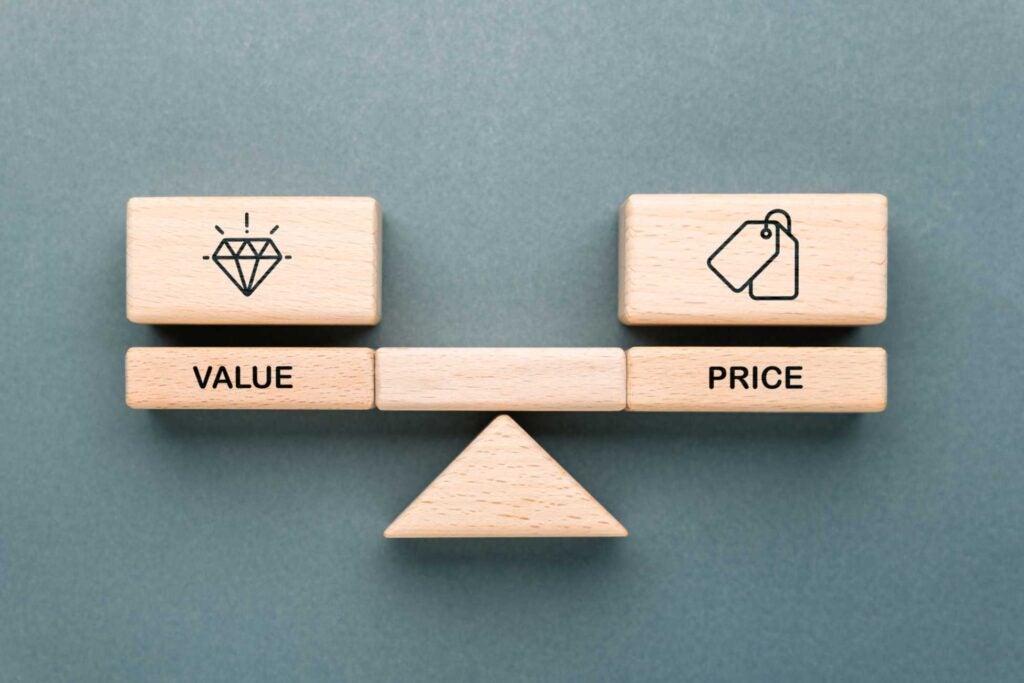
When determining how much cash you can receive for an item, market value steps into the spotlight. Think of market value as the dollar amount that buyers are willing to pay under current conditions. It’s an unbiased reflection of how desirable your item is in today’s marketplace – nothing more, nothing less.
Many people assume the price they originally paid for something remains its value forever. But the reality is a little different. For instance, if you splurged on a high-end handbag for $2,000, that initial purchase price doesn’t dictate its current market value. If competitive buyers today would only pay $800 for it, then $800 is its real worth from a “pawn shop valuation” perspective.
Understanding this Open Market Valuation (OMV) concept will help you manage your expectations. Pawn shops evaluate items based on data-backed market demand, making it quick and convenient for you to turn your possessions into cash when needed.
The Truth About Jewelry Evaluations at the Pawn Shop
Ever wonder why buying jewelry at retail can feel like a gamble? A close look at evaluation processes might surprise you. Pawn shops, often mislabeled as opportunistic, actually rely on transparent and data-driven methods for pricing items like jewelry. Unlike traditional jewelry stores that focus on retail markups, pawn shops evaluate based on current market trends and resale value, offering a realistic perspective.
Consider this scenario: A customer purchases a stunning gold bracelet for $1,500 from a jewelry store. The jeweler assures them it’s a great deal, and even includes an evaluation certificate for $2,000 (meant for insurance purposes). Months later, the same customer asks the jeweler to buy back the bracelet. More often than not, the store will decline, or if they do make an offer, it’ll be far below the purchase price – potentially in the range of $300 to $400. Maybe even less.
By contrast, pawn shops assess jewelry with fairness and accuracy. Our evaluations here at Pleasant Hill Coin & Jewelry Exchange reflect real-world value, determined by precious metal content, weight, and market demand. This means that if you’re wondering, “How do pawn shops price items?”, the answer is simple: we base it on what the item is truly worth, not an inflated appraisal or retail tag. Our jewelry evaluation process is an honest approach that ensures you get a fair offer, whether you’re selling or using your jewelry as collateral for a short-term loan.
What About Evaluating Precious Metals like Gold & Diamonds?
A sparkling gold ring may catch the eye, but its actual worth unfortunately depends on more than appearance.
Pure 24K gold holds significant value, yet most jewelry, like a 14K wedding ring, contains only 58.3% gold, with other metals added for durability. At $60 per gram for pure gold, 14K gold would cost around $34.98 per gram. For a 5-gram ring, this translates to approximately $174.90 in gold value. However, pawn shops must account for any market risks, melting fees, and resale challenges when evaluating pieces.
Diamonds, on the other hand, lack intrinsic value. The worth of a diamond depends on its clarity, color, cut, and carat. Large, flawless diamonds will hold much greater value, but you’ll rarely find one in a typical wedding or engagement ring. Most pawn shops are open to reasonable negotiation, but the average, ordinary diamonds found in most jewelry pieces will often fall short of expectations – so don’t expect a big offer if you try to part with that old diamond piece.
Stop By and See How We Evaluate Your Valuables Today
Selling or pawning your valuables shouldn’t feel like a hassle – it should be an opportunity. At Pleasant Hill Coin & Jewelry Exchange, we take pride in providing a straightforward and approachable experience for all our customers. Our team carefully evaluates every piece, leveraging 25 years of expertise to offer fair and competitive prices.
Remember, while a pawn shop appraisal considers multiple factors to determine your item’s value, the reality is that we also operate as a business. This means our offers strike a balance between fairness to you and maintaining our ability to serve Bay Area communities.
Whether you want to sell, pawn, or browse our selection of unique jewelry, we’re here to help. Contact us online or stop by our shop today and see how we make every transaction feel like a conversation with a trusted neighbor!
-
Do Pawn Shops Keep a Record of My Personal Information?
How Personal Information Is Handled by Pawn Shops?
Walking into a pawn shop can feel like stepping into a treasure trove full of unique finds and hidden gems. But there’s more going on behind the scenes than meets the eye. At Pleasant Hill Coin & Jewelry Exchange, every item handled comes with a responsibility to follow precise legal guidelines. And one of these responsibilities involves keeping detailed records.
So, how long do pawn shops keep records? This practice isn’t just about compliance – it’s about fostering trust to make sure every transaction is safe and transparent for the entire community. Keep reading to learn more about what information pawn shops like ours keep on record and why.
Why Record-Keeping at Pawn Shops Matters
Do pawn shops keep records of sellers? The answer is yes – and for good reason. When you buy, sell, or pawn at a shop like ours, we’re required by law to maintain accurate records of all transactions.
And while every transaction must follow local and state rules and regulations, record-keeping has more benefits than just ensuring we comply with the law. Detailed records and transparency help protect you and the communities we serve.
Records allow pawn shops to verify the ownership history of items and work closely with local law enforcement to prevent the purchase or sale of stolen goods. For instance, California law mandates pawn shops to log information, such as seller details and item descriptions, into secure systems like the California Pawn & Secondhand Dealer System (CAPSS). This system acts as a safeguard for legitimate transactions and adds an extra layer of accountability.
Your Privacy Matters More Than You Think
Sharing personal information doesn’t always feel comfortable, and that’s completely valid. However, when you visit a pawn shop, providing accurate information is an essential piece of ensuring transparency and security for everyone involved. Pawn shops are legally required to follow regulations that help prevent fraud or illegal activity, and these rules serve to protect both businesses and customers alike.
For example, many ask, “Do you need an ID to sell something at a pawn shop?” The answer is yes – not to intrude on privacy, but to verify rightful ownership and maintain our responsible business practices. A trusted pawn shop will show you the respect you deserve and ensure your information is handled carefully – and privately.
What You’ll Need to Complete Your Transaction With Us
Bringing along just one piece of identification is all it takes to complete a transaction with us. Your options include a valid driver’s license, a state-issued ID, or a passport. The Pleasant Hill Coin & Jewelry Exchange staff will never ask for your Social Security number for any pawn or sales transaction. This keeps things simple, private, and convenient for you.
So, if you’re still asking, “Why do pawn shops need your ID?”, it’s to confirm ownership and keep the process above board for everyone. Our basic documentation requirement lets you focus on making your transaction private, fast, and stress-free.
What Other Forms of Documentation Do We Keep?
When you bring in a watch, a gold ring, or any other valuable, we don’t just evaluate it and call it a day. Every piece we receive is carefully documented. We record detailed descriptions of each item, highlighting its condition and any unique characteristics. Additionally, we photograph them to ensure everything is crystal clear. These records are securely stored in compliance with state regulations, making transactions safe, traceable, and completely legitimate.
What’s More Complicated – A Bank Loan or Pawn Transaction?
If you’ve ever applied for a bank loan, you know how much paperwork and personal information you’re expected to hand over. It’s a lengthy process that often feels like a full-blown interrogation. Here’s a snapshot of the typical information required for a bank loan:
- Your Full Legal Name
- Your Residential Address
- Date of Birth
- Employment and Income Information
- Social Security Number
- Consent for a Credit Check
See what we mean? That’s quite a list! Now compare that to stopping by Pleasant Hill Coin & Jewelry Exchange. Here, all you need is one valid form of ID. There’s no digging through stacks of paperwork, no credit checks, and no long waits. Just quick, straightforward transactions designed with your convenience and privacy in mind. Why complicate things when getting cash can be this simple?
How Long We Keep Your Personal Information on File
After you visit a pawn shop, you might wonder how long your personal details stay on file. By law, pawn shops across the nation are required to retain customer records for anywhere between three and five years. This process helps law enforcement trace ownership if needed and ensures there’s complete transparency in every transaction.
At Pleasant Hill Coin & Jewelry Exchange, we safely store and encrypt your ID and item descriptions during this legally mandated time. Once this time has passed, we’ll permanently delete all your records to keep your personal information private and secure.
Our Staff Is Happy to Walk You Through Our Process
Your trust means everything to us at Pleasant Hill Coin & Jewelry Exchange. For over 25 years, we’ve proudly served the Bay Area as a family-owned business, providing a welcoming space where transparency and security go hand in hand. Whether you’re selling your cherished gold, pawning an heirloom watch, or searching for a hidden gem in our jewelry collection, you’ll always know exactly where you stand with us.
Located just off Highway 680 in Pleasant Hill, we’re more than just a pawn shop – we’re part of the community. Contact us online or stop in our shop today and experience the difference for yourself!