How Do Pawn Shops Determine Value?
Valuation Methods Used by Pawn Shops
When you bring an item to a pawn shop, you might wonder what makes it worth a specific amount. Is it the brand? The age? Its rarity? At Pleasant Hill Coin & Jewelry Exchange, our experienced team takes a thoughtful approach to evaluate your items, leveraging extensive expertise with a deep understanding of market demand. From fine jewelry to luxury goods and everything in between, we thoroughly examine every item’s quality, condition, and authenticity to provide a fair and accurate evaluation.
If you’ve ever been curious about what goes into determining pawn value, it’s more than just a quick glance. By the time you reach the end of this article, you’ll have a clear view of how items are valued and what influences the offers you receive.
Market Value Shapes the Price Tag
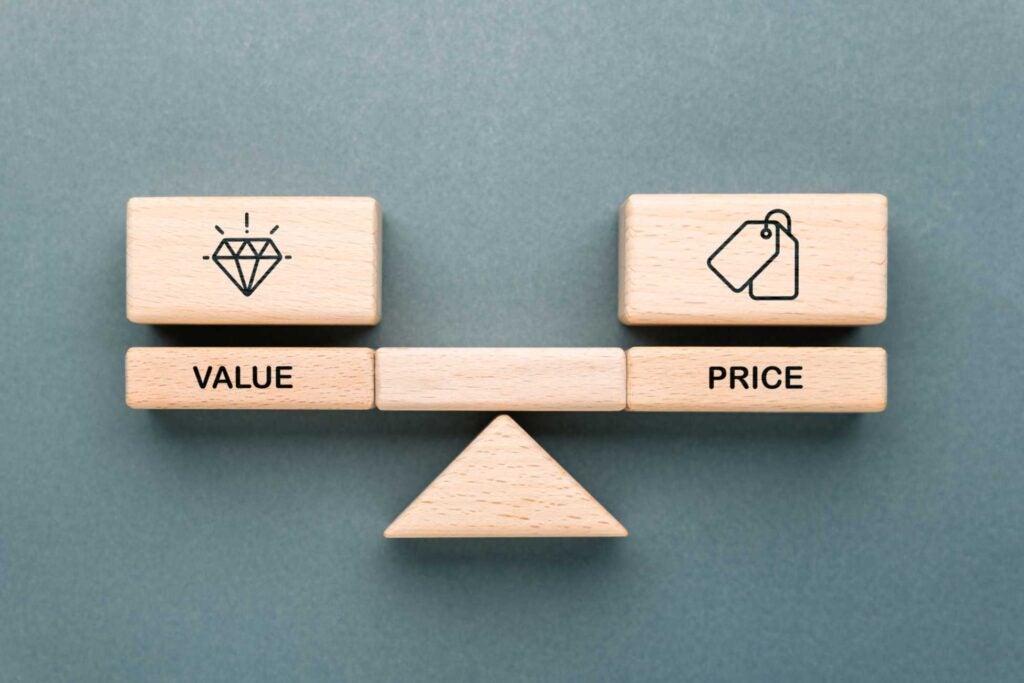
When determining how much cash you can receive for an item, market value steps into the spotlight. Think of market value as the dollar amount that buyers are willing to pay under current conditions. It’s an unbiased reflection of how desirable your item is in today’s marketplace – nothing more, nothing less.
Many people assume the price they originally paid for something remains its value forever. But the reality is a little different. For instance, if you splurged on a high-end handbag for $2,000, that initial purchase price doesn’t dictate its current market value. If competitive buyers today would only pay $800 for it, then $800 is its real worth from a “pawn shop valuation” perspective.
Understanding this Open Market Valuation (OMV) concept will help you manage your expectations. Pawn shops evaluate items based on data-backed market demand, making it quick and convenient for you to turn your possessions into cash when needed.
The Truth About Jewelry Evaluations at the Pawn Shop
Ever wonder why buying jewelry at retail can feel like a gamble? A close look at evaluation processes might surprise you. Pawn shops, often mislabeled as opportunistic, actually rely on transparent and data-driven methods for pricing items like jewelry. Unlike traditional jewelry stores that focus on retail markups, pawn shops evaluate based on current market trends and resale value, offering a realistic perspective.
Consider this scenario: A customer purchases a stunning gold bracelet for $1,500 from a jewelry store. The jeweler assures them it’s a great deal, and even includes an evaluation certificate for $2,000 (meant for insurance purposes). Months later, the same customer asks the jeweler to buy back the bracelet. More often than not, the store will decline, or if they do make an offer, it’ll be far below the purchase price – potentially in the range of $300 to $400. Maybe even less.
By contrast, pawn shops assess jewelry with fairness and accuracy. Our evaluations here at Pleasant Hill Coin & Jewelry Exchange reflect real-world value, determined by precious metal content, weight, and market demand. This means that if you’re wondering, “How do pawn shops price items?”, the answer is simple: we base it on what the item is truly worth, not an inflated appraisal or retail tag. Our jewelry evaluation process is an honest approach that ensures you get a fair offer, whether you’re selling or using your jewelry as collateral for a short-term loan.
What About Evaluating Precious Metals like Gold & Diamonds?
A sparkling gold ring may catch the eye, but its actual worth unfortunately depends on more than appearance.
Pure 24K gold holds significant value, yet most jewelry, like a 14K wedding ring, contains only 58.3% gold, with other metals added for durability. At $60 per gram for pure gold, 14K gold would cost around $34.98 per gram. For a 5-gram ring, this translates to approximately $174.90 in gold value. However, pawn shops must account for any market risks, melting fees, and resale challenges when evaluating pieces.
Diamonds, on the other hand, lack intrinsic value. The worth of a diamond depends on its clarity, color, cut, and carat. Large, flawless diamonds will hold much greater value, but you’ll rarely find one in a typical wedding or engagement ring. Most pawn shops are open to reasonable negotiation, but the average, ordinary diamonds found in most jewelry pieces will often fall short of expectations – so don’t expect a big offer if you try to part with that old diamond piece.
Stop By and See How We Evaluate Your Valuables Today
Selling or pawning your valuables shouldn’t feel like a hassle – it should be an opportunity. At Pleasant Hill Coin & Jewelry Exchange, we take pride in providing a straightforward and approachable experience for all our customers. Our team carefully evaluates every piece, leveraging 25 years of expertise to offer fair and competitive prices.
Remember, while a pawn shop appraisal considers multiple factors to determine your item’s value, the reality is that we also operate as a business. This means our offers strike a balance between fairness to you and maintaining our ability to serve Bay Area communities.
Whether you want to sell, pawn, or browse our selection of unique jewelry, we’re here to help. Contact us online or stop by our shop today and see how we make every transaction feel like a conversation with a trusted neighbor!