-
How Do Pawn Shops Determine Value?
Valuation Methods Used by Pawn Shops
When you bring an item to a pawn shop, you might wonder what makes it worth a specific amount. Is it the brand? The age? Its rarity? At Pleasant Hill Coin & Jewelry Exchange, our experienced team takes a thoughtful approach to evaluate your items, leveraging extensive expertise with a deep understanding of market demand. From fine jewelry to luxury goods and everything in between, we thoroughly examine every item’s quality, condition, and authenticity to provide a fair and accurate evaluation.
If you’ve ever been curious about what goes into determining pawn value, it’s more than just a quick glance. By the time you reach the end of this article, you’ll have a clear view of how items are valued and what influences the offers you receive.
Market Value Shapes the Price Tag
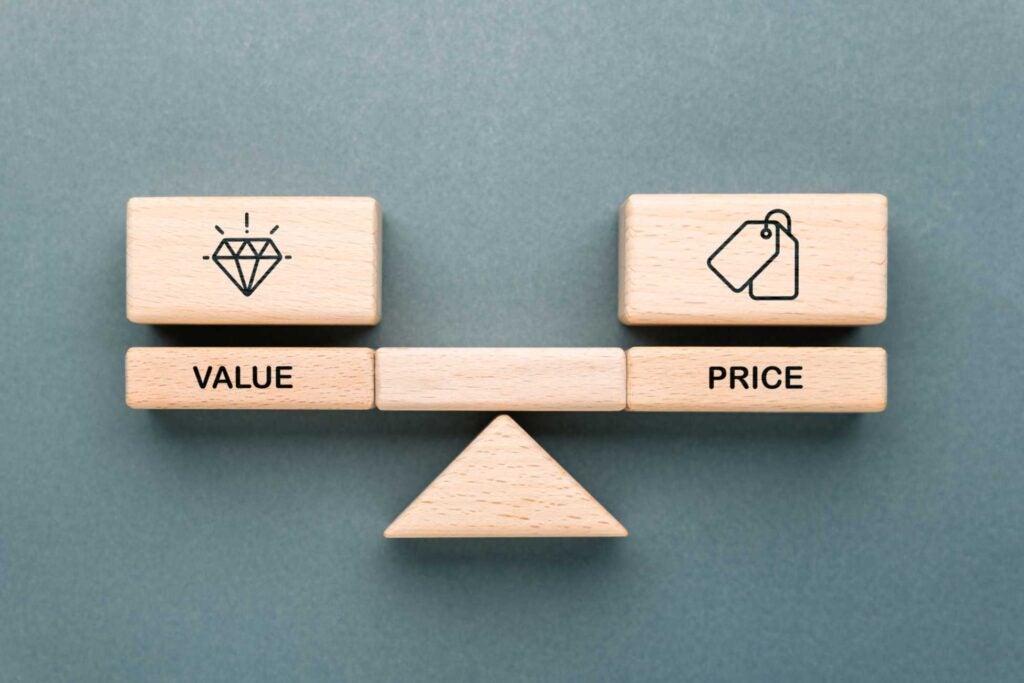
When determining how much cash you can receive for an item, market value steps into the spotlight. Think of market value as the dollar amount that buyers are willing to pay under current conditions. It’s an unbiased reflection of how desirable your item is in today’s marketplace – nothing more, nothing less.
Many people assume the price they originally paid for something remains its value forever. But the reality is a little different. For instance, if you splurged on a high-end handbag for $2,000, that initial purchase price doesn’t dictate its current market value. If competitive buyers today would only pay $800 for it, then $800 is its real worth from a “pawn shop valuation” perspective.
Understanding this Open Market Valuation (OMV) concept will help you manage your expectations. Pawn shops evaluate items based on data-backed market demand, making it quick and convenient for you to turn your possessions into cash when needed.
The Truth About Jewelry Evaluations at the Pawn Shop
Ever wonder why buying jewelry at retail can feel like a gamble? A close look at evaluation processes might surprise you. Pawn shops, often mislabeled as opportunistic, actually rely on transparent and data-driven methods for pricing items like jewelry. Unlike traditional jewelry stores that focus on retail markups, pawn shops evaluate based on current market trends and resale value, offering a realistic perspective.
Consider this scenario: A customer purchases a stunning gold bracelet for $1,500 from a jewelry store. The jeweler assures them it’s a great deal, and even includes an evaluation certificate for $2,000 (meant for insurance purposes). Months later, the same customer asks the jeweler to buy back the bracelet. More often than not, the store will decline, or if they do make an offer, it’ll be far below the purchase price – potentially in the range of $300 to $400. Maybe even less.
By contrast, pawn shops assess jewelry with fairness and accuracy. Our evaluations here at Pleasant Hill Coin & Jewelry Exchange reflect real-world value, determined by precious metal content, weight, and market demand. This means that if you’re wondering, “How do pawn shops price items?”, the answer is simple: we base it on what the item is truly worth, not an inflated appraisal or retail tag. Our jewelry evaluation process is an honest approach that ensures you get a fair offer, whether you’re selling or using your jewelry as collateral for a short-term loan.
What About Evaluating Precious Metals like Gold & Diamonds?
A sparkling gold ring may catch the eye, but its actual worth unfortunately depends on more than appearance.
Pure 24K gold holds significant value, yet most jewelry, like a 14K wedding ring, contains only 58.3% gold, with other metals added for durability. At $60 per gram for pure gold, 14K gold would cost around $34.98 per gram. For a 5-gram ring, this translates to approximately $174.90 in gold value. However, pawn shops must account for any market risks, melting fees, and resale challenges when evaluating pieces.
Diamonds, on the other hand, lack intrinsic value. The worth of a diamond depends on its clarity, color, cut, and carat. Large, flawless diamonds will hold much greater value, but you’ll rarely find one in a typical wedding or engagement ring. Most pawn shops are open to reasonable negotiation, but the average, ordinary diamonds found in most jewelry pieces will often fall short of expectations – so don’t expect a big offer if you try to part with that old diamond piece.
Stop By and See How We Evaluate Your Valuables Today
Selling or pawning your valuables shouldn’t feel like a hassle – it should be an opportunity. At Pleasant Hill Coin & Jewelry Exchange, we take pride in providing a straightforward and approachable experience for all our customers. Our team carefully evaluates every piece, leveraging 25 years of expertise to offer fair and competitive prices.
Remember, while a pawn shop appraisal considers multiple factors to determine your item’s value, the reality is that we also operate as a business. This means our offers strike a balance between fairness to you and maintaining our ability to serve Bay Area communities.
Whether you want to sell, pawn, or browse our selection of unique jewelry, we’re here to help. Contact us online or stop by our shop today and see how we make every transaction feel like a conversation with a trusted neighbor!
-
Do Pawn Shops Keep a Record of My Personal Information?
How Personal Information Is Handled by Pawn Shops?
Walking into a pawn shop can feel like stepping into a treasure trove full of unique finds and hidden gems. But there’s more going on behind the scenes than meets the eye. At Pleasant Hill Coin & Jewelry Exchange, every item handled comes with a responsibility to follow precise legal guidelines. And one of these responsibilities involves keeping detailed records.
So, how long do pawn shops keep records? This practice isn’t just about compliance – it’s about fostering trust to make sure every transaction is safe and transparent for the entire community. Keep reading to learn more about what information pawn shops like ours keep on record and why.
Why Record-Keeping at Pawn Shops Matters
Do pawn shops keep records of sellers? The answer is yes – and for good reason. When you buy, sell, or pawn at a shop like ours, we’re required by law to maintain accurate records of all transactions.
And while every transaction must follow local and state rules and regulations, record-keeping has more benefits than just ensuring we comply with the law. Detailed records and transparency help protect you and the communities we serve.
Records allow pawn shops to verify the ownership history of items and work closely with local law enforcement to prevent the purchase or sale of stolen goods. For instance, California law mandates pawn shops to log information, such as seller details and item descriptions, into secure systems like the California Pawn & Secondhand Dealer System (CAPSS). This system acts as a safeguard for legitimate transactions and adds an extra layer of accountability.
Your Privacy Matters More Than You Think
Sharing personal information doesn’t always feel comfortable, and that’s completely valid. However, when you visit a pawn shop, providing accurate information is an essential piece of ensuring transparency and security for everyone involved. Pawn shops are legally required to follow regulations that help prevent fraud or illegal activity, and these rules serve to protect both businesses and customers alike.
For example, many ask, “Do you need an ID to sell something at a pawn shop?” The answer is yes – not to intrude on privacy, but to verify rightful ownership and maintain our responsible business practices. A trusted pawn shop will show you the respect you deserve and ensure your information is handled carefully – and privately.
What You’ll Need to Complete Your Transaction With Us
Bringing along just one piece of identification is all it takes to complete a transaction with us. Your options include a valid driver’s license, a state-issued ID, or a passport. The Pleasant Hill Coin & Jewelry Exchange staff will never ask for your Social Security number for any pawn or sales transaction. This keeps things simple, private, and convenient for you.
So, if you’re still asking, “Why do pawn shops need your ID?”, it’s to confirm ownership and keep the process above board for everyone. Our basic documentation requirement lets you focus on making your transaction private, fast, and stress-free.
What Other Forms of Documentation Do We Keep?
When you bring in a watch, a gold ring, or any other valuable, we don’t just evaluate it and call it a day. Every piece we receive is carefully documented. We record detailed descriptions of each item, highlighting its condition and any unique characteristics. Additionally, we photograph them to ensure everything is crystal clear. These records are securely stored in compliance with state regulations, making transactions safe, traceable, and completely legitimate.
What’s More Complicated – A Bank Loan or Pawn Transaction?
If you’ve ever applied for a bank loan, you know how much paperwork and personal information you’re expected to hand over. It’s a lengthy process that often feels like a full-blown interrogation. Here’s a snapshot of the typical information required for a bank loan:
- Your Full Legal Name
- Your Residential Address
- Date of Birth
- Employment and Income Information
- Social Security Number
- Consent for a Credit Check
See what we mean? That’s quite a list! Now compare that to stopping by Pleasant Hill Coin & Jewelry Exchange. Here, all you need is one valid form of ID. There’s no digging through stacks of paperwork, no credit checks, and no long waits. Just quick, straightforward transactions designed with your convenience and privacy in mind. Why complicate things when getting cash can be this simple?
How Long We Keep Your Personal Information on File
After you visit a pawn shop, you might wonder how long your personal details stay on file. By law, pawn shops across the nation are required to retain customer records for anywhere between three and five years. This process helps law enforcement trace ownership if needed and ensures there’s complete transparency in every transaction.
At Pleasant Hill Coin & Jewelry Exchange, we safely store and encrypt your ID and item descriptions during this legally mandated time. Once this time has passed, we’ll permanently delete all your records to keep your personal information private and secure.
Our Staff Is Happy to Walk You Through Our Process
Your trust means everything to us at Pleasant Hill Coin & Jewelry Exchange. For over 25 years, we’ve proudly served the Bay Area as a family-owned business, providing a welcoming space where transparency and security go hand in hand. Whether you’re selling your cherished gold, pawning an heirloom watch, or searching for a hidden gem in our jewelry collection, you’ll always know exactly where you stand with us.
Located just off Highway 680 in Pleasant Hill, we’re more than just a pawn shop – we’re part of the community. Contact us online or stop in our shop today and experience the difference for yourself!